Skip to content

In Nigeria, millions of people struggle daily to access the medications they need to stay healthy or manage chronic conditions. Despite progress in public health, drug accessibility remains one of the most pressing In Nigeria, counterfeit and substandard medicines are more than just a black-market issue they’re a national health crisis. The World Health Organization estimates that up to one in every four medicines in low- and middle-income countries is either fake or below standard. In Nigeria, the consequences are deadly.
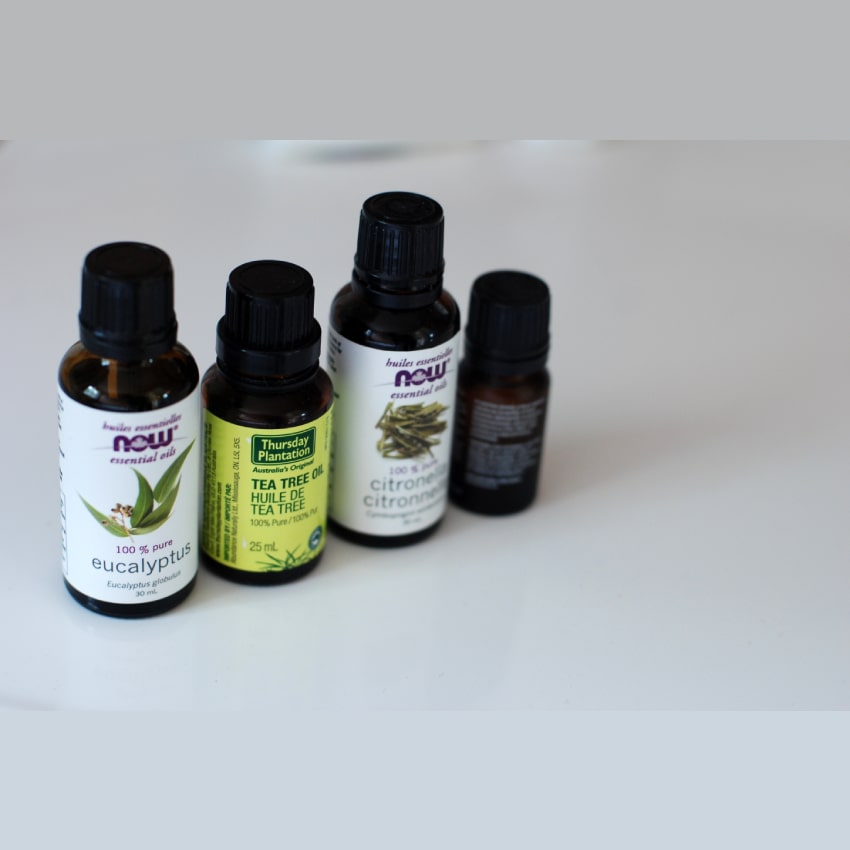
From fake antimalarials to diluted antibiotics, counterfeit drugs contribute to:
- Increased drug resistance
- Prolonged illnesses
- Loss of trust in the healthcare system
- Avoidable deaths
Patients often have no way of verifying the authenticity of medicines, especially in rural areas where regulatory oversight is limited and informal drug markets thrive.
Technology as the Frontline Defense
Digital platforms like Medipool can play a vital role in tracking, authenticating, and verifying the source of every drug that moves through the supply chain. From barcode systems to blockchain-backed traceability, modern tools are already proving effective in other regionsand Nigeria is ready.
What Needs to Happen
- Stronger collaboration between regulators and tech innovators
- Better education for healthcare workers and patients on identifying safe suppliers
- Scalable platforms that bring visibility into every supply chain transaction
Conclusion:
By digitizing the pharmaceutical supply chain and enforcing traceability, we can push back against the deadly tide of counterfeit drugs. It’s not just a tech challenge, it’s a public health imperative.